

Denver is a young German Shepherd. He came to us because of something nobody had set out to look for.
A scan for one problem, a clue to another
Denver first saw his own vet with a forelimb lameness. A CT scan of his front legs showed panosteitis, a cause of lameness in young, growing dogs that is sometimes called growing pains. The scan also caught a small part of the front of his chest, and in it there were subtle changes in his lungs.
With only that small part of the chest in view, the changes looked most like a chest infection, and Denver was treated for one. His lameness settled, but his chest did not. He began breathing faster and with more effort, and he was referred to Dr Vicky Neale, our referral medicine clinician, to find out why.
An answer from a long way from Kent
Denver had originally been imported from Romania, and that detail turned out to matter.
His blood tests showed a marked rise in eosinophils, a type of white blood cell often associated with parasites. Advanced imaging showed widespread changes in his lungs. A lung wash (bronchoalveolar lavage) showed eosinophilic inflammation in his airways, a picture known as eosinophilic bronchopneumopathy.
Eosinophilic bronchopneumopathy describes the inflammation rather than its cause. Sometimes no cause is found, but parasites such as heartworm (Dirofilaria immitis) and lungworm (Angiostrongylus vasorum) can be behind it, so they are always worth checking for. In Denver’s case, specialised testing confirmed heartworm.
There was good news alongside it. No heartworms were seen in Denver’s heart, and a cardiac ultrasound showed no signs of heart damage or pulmonary hypertension.
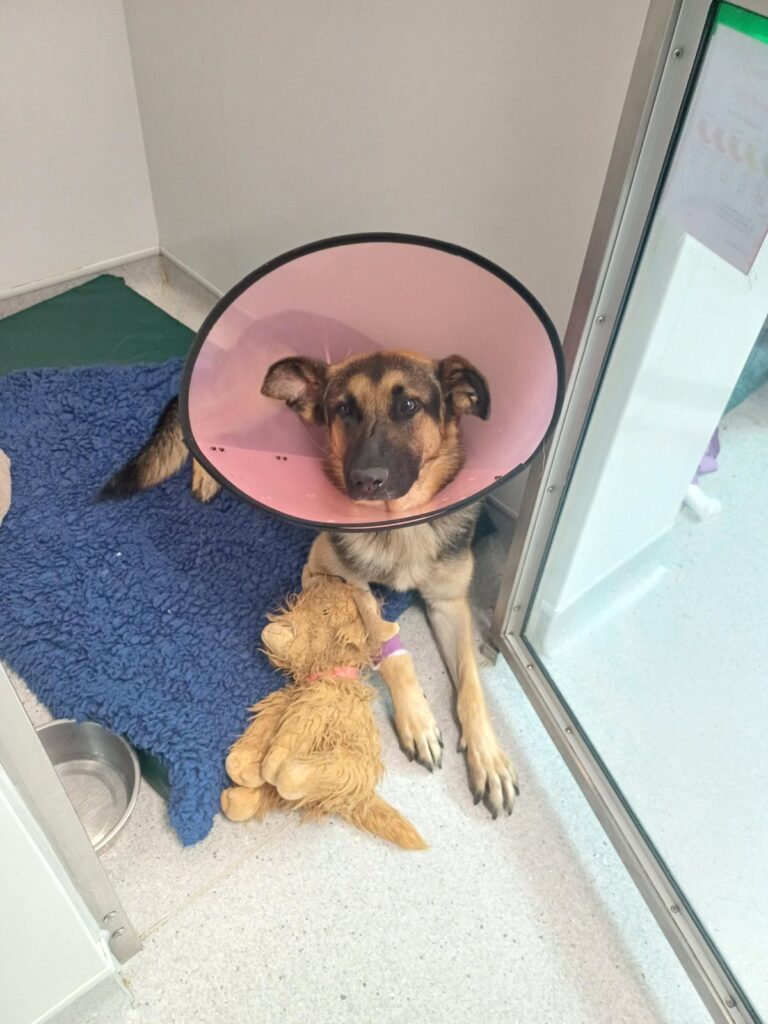
A long and careful treatment
Heartworm treatment takes months, and it can be dangerous in its own right. As the adult worms die, they can cause severe inflammation, and fragments can lodge in the blood vessels of the lungs (pulmonary thromboembolism), which can be life threatening.
Denver’s treatment plan included:
- anti-inflammatory medication (steroids)
- doxycycline, to target the Wolbachia bacteria associated with heartworms
- strict exercise restriction
- a three-injection adulticide protocol (melarsamine) to eliminate the adult worms safely
- ongoing preventative treatment throughout
For a young German Shepherd, the exercise restriction may well have been the hardest part. Even when a dog looks completely well, too much activity can increase the risk of serious complications, so for several months Denver could not run, play or go on long walks.
After each injection he stayed in the hospital for 24 hours under close observation, so the team could watch for any adverse reaction, including anaphylaxis, breathing problems or complications as the worms died. He tolerated all three injections well, with no significant complications.
Six months on
Denver’s breathing returned to normal early in treatment, and his eosinophil count came back down. At his six-month post-treatment check:
- his repeat CT scan was clear
- his heartworm antigen test was negative
- his white blood cell count was normal
- he was well, and back to running on the beach
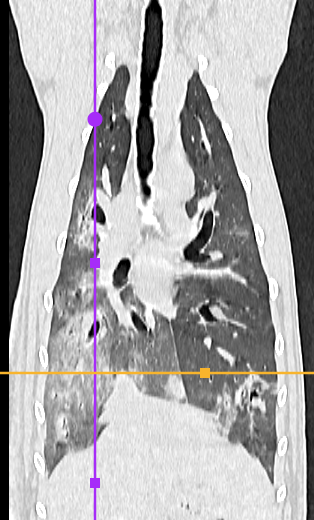
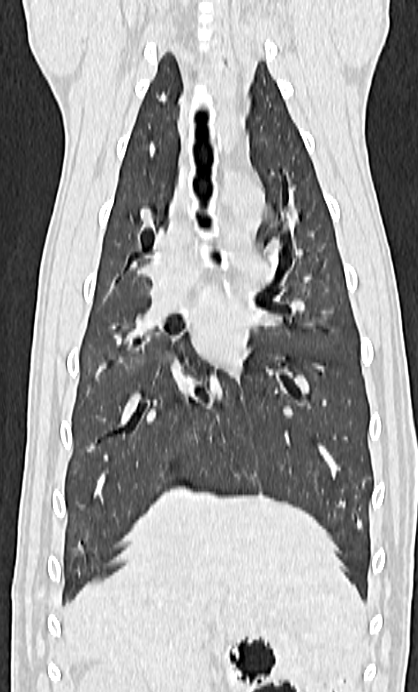
Denver has now been signed off and discharged from monitoring. A share of the credit belongs to his owner, who kept a young, energetic dog quiet through months of restriction.
Why Denver’s case matters
Two details shaped this case. The first was a finding at the edge of a scan taken for a different reason, which became important when Denver’s breathing changed. The second was where he came from.
Heartworm is uncommon in the UK and is not spread here, so a dog that has never travelled is very unlikely to have it. More dogs now travel or are imported, though, and heartworm can take months after infection to cause signs. A dog’s time abroad does not need to be recent for it to matter, so travel history is always worth asking about, even if it was a long time ago.
If you are a vet with a patient showing unexplained breathing changes, or an unexpected imaging finding, particularly in a dog with a history overseas, Vicky is happy to talk the case through before any referral.